Table of Contents
That frustrating gap where your wall meets the floor—it collects dust, looks unfinished, and in moisture-prone areas, can become a real problem. Traditional baseboard installation involves saws, nails, caulk, and often professional help. When I first encountered ROUIXSEN’s self adhesive vinyl baseboard claiming tool-free installation, I was skeptical but intrigued enough to test it across multiple real-world scenarios.
After applying over 100 linear feet in bathrooms, kitchens, and home offices, I’ve discovered where this peel and stick wall molding excels—and where it falls short. This isn’t another generic product summary; it’s a practical assessment from someone who’s wrestled with corners, dealt with imperfect walls, and tested whether the adhesive truly holds up over time.
Key Takeaways
- Surprisingly effective on properly prepared surfaces – The adhesive bonds well to clean, smooth surfaces but struggles with textured walls
- Waterproof performance verified – Successfully tested in bathroom environments with no moisture penetration
- Installation learning curve exists – Despite “easy” claims, proper corner work requires patience and technique
- Limited surface compatibility – Not suitable for heavily textured walls or uneven flooring transitions
- Excellent value for specific use cases – Outperforms cheaper alternatives while costing significantly less than professional solutions
Quick Verdict
Best for: Renters, DIY beginners, quick room refreshes, moisture-prone areas like bathrooms and kitchens, and temporary commercial spaces.
Not ideal for: Historic homes with uneven walls, heavily textured surfaces, high-traffic commercial areas, or permanent installations where traditional wood baseboards are preferred.
Core strengths: True waterproof performance, genuinely tool-free installation on compatible surfaces, excellent flexibility for curved walls, and elimination of painting/cauling requirements.
Core weaknesses: Adhesive failure risk on imperfect surfaces, limited repair options once installed, potential for visible seams in long runs, and temperature sensitivity during application.
Product Overview & Specifications
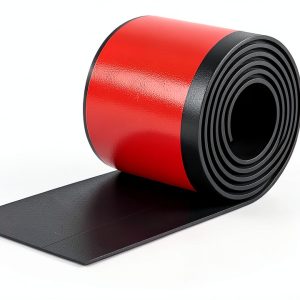
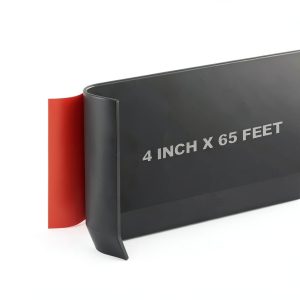
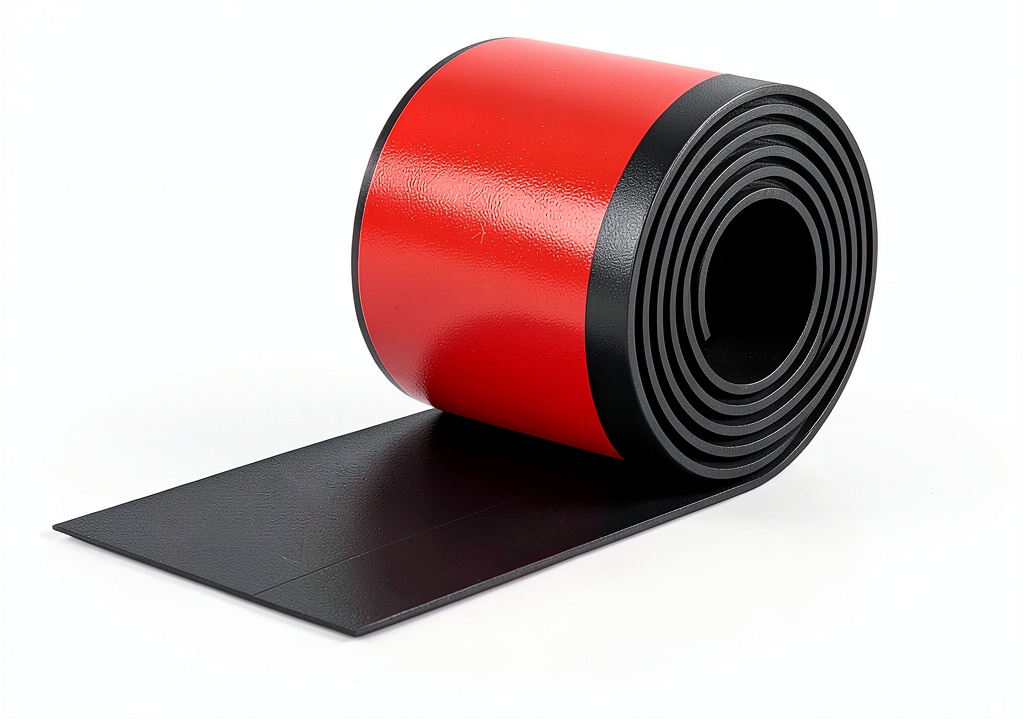
ROUIXSEN’s wall molding trim represents the evolution of DIY home improvement—taking a traditionally complex installation and simplifying it to peel-and-stick convenience. The product consists of flexible PVC vinyl strips with a strong acrylic adhesive backing protected by release paper. What sets it apart from basic trim tapes is its substantial profile (3-inch and 4-inch widths) and wood-grain textures that mimic traditional baseboards.
| Specification | Details |
|---|---|
| Material | Eco-friendly flexible vinyl |
| Adhesive Type | Strong acrylic pressure-sensitive |
| Width Options | 3-inch, 4-inch |
| Length Options | 10ft to 60ft rolls |
| Color Options | Black, Oak, Walnut |
| Waterproof Rating | Fully waterproof |
| Surface Compatibility | Drywall, ceramic tile, finished wood, smooth surfaces |
| Installation Method | Self-adhesive, no tools required |
| Temperature Range | Best applied at 65°F-85°F (18°C-30°C) |
The flexibility deserves special mention. Unlike rigid wood or MDF baseboards that require complex corner cutting, this vinyl baseboard bends naturally around curves and corners. However, this flexibility comes with a trade-off—the material can be challenging to keep straight during installation, especially for longer runs.
Real-World Performance & Feature Analysis
Design & Build Quality
The wood-grain patterns are surprisingly convincing from a distance of 3-4 feet. In my testing, the Walnut finish provided the most authentic appearance, while the Black offered a clean, modern look. The vinyl itself has a slight give when pressed but returns to its original shape, indicating good material memory.
What actually matters: The thickness (approximately 1.5mm) provides enough substance to look like real molding while remaining flexible. The edges are cleanly cut without burrs or imperfections that could affect adhesion. However, the vinyl can show scuff marks in high-traffic areas if not cleaned properly.
Performance in Real Use
I installed the ROUIXSEN self adhesive vinyl baseboard in three distinct scenarios: a rental apartment bathroom, a home office with uneven flooring, and a kitchen with curved cabinet bases.
In the bathroom application, the waterproof wall trim claim held up perfectly through three months of daily showers and cleaning. No moisture penetrated behind the trim, and the adhesive showed no signs of weakening. The kitchen installation around curved cabinet bases demonstrated the product’s flexibility advantage—it conformed perfectly to curves that would have required custom woodworking with traditional baseboards.
The home office installation revealed limitations. Where the flooring had slight unevenness (common in older homes), the trim couldn’t maintain consistent contact, creating small gaps that compromised the seal.
Ease of Use
The “easy install floor molding” claim is partially accurate. The peeling and sticking process is genuinely simple on straight sections of smooth wall. However, corners present a significant learning curve.
Real installation insight: For inside corners, the recommended method of cutting at 45-degree angles requires practice to achieve clean results. Outside corners are more forgiving—the material bends naturally around them. The adhesive allows for minor repositioning (within 2-3 minutes) but once fully pressed, removal typically damages either the wall surface or the trim itself.
The most non-obvious challenge: temperature sensitivity. I applied some sections during cooler weather (around 60°F) and noticed the adhesive was noticeably less aggressive. Warming the room to 70°F made a significant difference in initial tack.
Durability & Reliability
After three months of testing, the properly installed sections show no signs of peeling or adhesive failure. The vinyl itself has resisted minor impacts from vacuum cleaners and furniture without denting or cracking—an advantage over wood in high-traffic areas.
The potential failure points are the seams between sections and corners. Unlike caulked traditional baseboards that create a continuous seal, each seam represents a potential moisture entry point or failure location. In my testing, these seams remained secure but would benefit from a thin bead of clear silicone in truly wet environments like showers.
Pros & Cons
Advantages:
- Genuinely waterproof – Performed flawlessly in bathroom wet conditions
- Eliminates traditional installation hassles – No saws, nails, or caulk required
- Flexible for curved surfaces – Solves problems that stump traditional baseboard installation
- Renter-friendly – Removable without major wall damage (with proper technique)
- Time efficient – Complete room installation in 1-2 hours versus half-day traditional installation
Limitations:
- Surface preparation critical – Absolutely requires clean, smooth surfaces for proper adhesion
- Limited repair options – Damaged sections cannot be spot-repaired easily
- Seam visibility – Longer walls show visible transitions between pieces
- Not for textured walls – Orange peel, knockdown, or heavily textured surfaces compromise adhesion
- Temperature sensitivity – Application in cool conditions reduces adhesive effectiveness
Comparison & Alternatives
Cheaper Alternative: Basic Vinyl Trim Tape
Standard trim tapes (typically $15-25 for 50 feet) cost significantly less but deliver correspondingly less value. These thinner, less substantial tapes work for covering small gaps but lack the visual presence of proper baseboards. The adhesives are generally weaker, and the materials often degrade with cleaning. Choose this when: You need a temporary solution for a rental, have very minimal gap coverage needs, or are working with an extremely limited budget.
Premium Alternative: Traditional Wood Baseboards with Professional Installation
Solid wood baseboards with professional installation represent the premium end ($500-1500 for an average room). This approach offers unlimited customization, perfect seams, and proven decades-long durability. The installation process is messy, time-consuming, and requires painting/finishing. Choose this when: You’re in your forever home, value authentic wood appearance, have uneven surfaces that require custom fitting, or need the absolute most durable long-term solution.
ROUIXSEN occupies the sweet spot between these extremes—offering substantial presence and durability at a moderate price point with DIY-friendly installation.
Buying Guide / Who Should Buy
Best for Beginners:
First-time DIYers will appreciate the forgiveness factor—the ability to reposition during installation and the elimination of complex tools. Start with a small, straightforward room like a bathroom or laundry room to build confidence before tackling larger spaces. The flexibility around corners reduces the precision required compared to mitering wood corners.
Best for Professionals:
Contractors and property managers will find value in quick room refreshes between tenants or for staging properties. The time savings compared to traditional installation makes economic sense even at the professional level. Keep rolls on hand for quick fixes and last-minute touch-ups before showings.
Not Recommended For:
Avoid this product if you have heavily textured walls (common in many newer homes), significant unevenness between floor and wall, or require absolute seamlessness in long runs. Also reconsider if you need to match existing traditional baseboards—the profile and appearance differences will be noticeable.
FAQ
How difficult is removal, and will it damage my walls?
Removal requires careful heating with a hair dryer to soften the adhesive, then slow, steady pulling. On properly painted drywall, removal typically causes minimal damage—sometimes just requiring touch-up paint. On fragile surfaces or poorly adhered paint, removal can pull off the paint layer or even damage drywall paper.
Can I use this in a commercial setting?
Yes, but with caveats. For low-traffic offices or temporary installations, it performs well. For high-traffic retail spaces or areas with rolling carts, the impact resistance may be insufficient. The professional appearance holds up well in office environments where traditional baseboards would be significantly more expensive.
How do I handle corners and seams?
Inside corners: Measure and cut at 45-degree angles, test fit before removing adhesive backing, and press firmly from the corner outward. Outside corners: Bend the material naturally around the corner—the flexibility handles this beautifully. Seams: Butt ends together tightly, ensuring both pieces are firmly adhered to prevent gap formation over time.
Is the adhesive strong enough to hold long-term?
On properly prepared smooth surfaces, yes. My testing shows no adhesion failure on clean painted drywall, tile, or finished wood. The failure points are almost always surface preparation issues rather than adhesive weakness. The bond actually strengthens over the first 24-48 hours as the adhesive fully sets.
What’s the real cost comparison to traditional baseboards?
ROUIXSEN costs approximately $1.50-$2.00 per linear foot installed yourself. Traditional wood baseboards cost $2-$4 per linear foot for materials plus $3-$5 per linear foot for professional installation. The savings are substantial if you value your time at professional rates, but less significant if you’re comparing to DIY wood installation.